The United States sent two supersonic bomber jets across the Korean Peninsula early Sunday morning. The fly by is an overt display of force by the United States in response to North Korea’s recent missile test of an intercontinental ballistic missile.
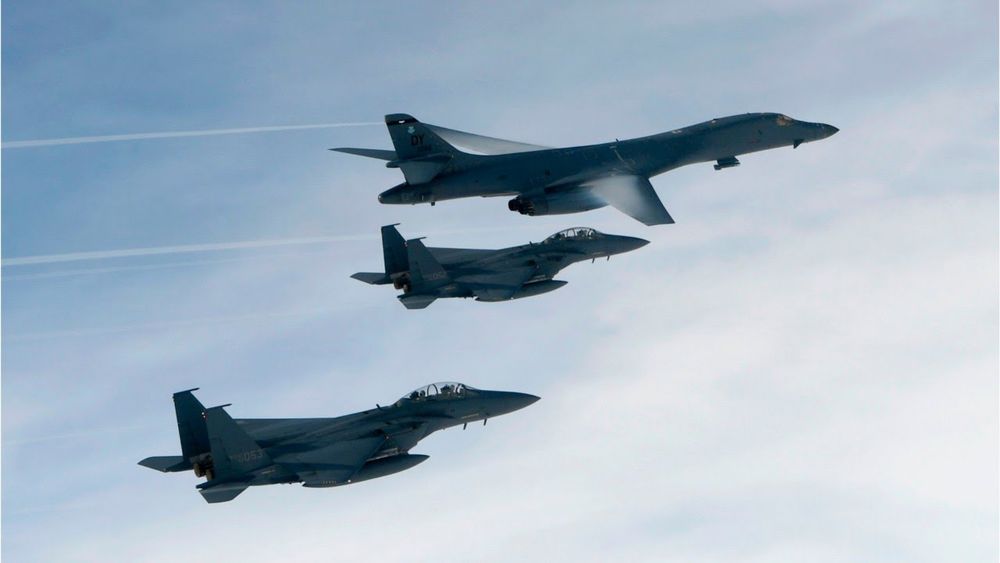
In coordination with the South Koreans, United States B-1 bombers flew from Andersen Air Force Base in Guam and performed a “low-pass” over an air base near the capital of Seoul. An escort of South Korean fighter jets accompanied the Americans through the exercise.
In the U.S. Pacific Air Forces’ statement, they said that the mission was in response to North Korea’s most recent ICBM test. Flight data indicated a greater reach than earlier anticipated. If the report is correct, it claims that North Korea’s intercontinental ballistic missiles could not only reach continental U.S. but hit major urban areas such as Los Angeles and Chicago.
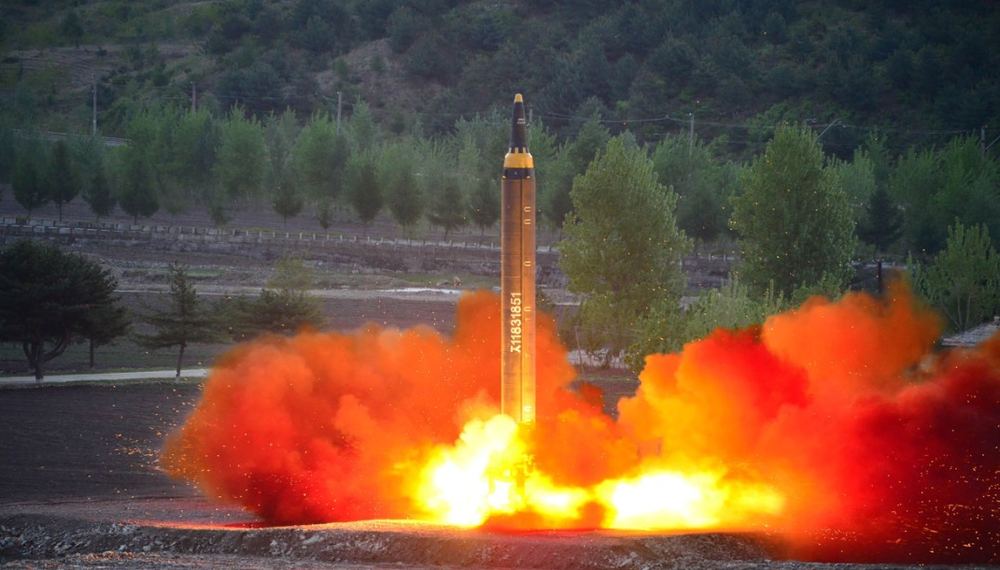
International law bans North Korean missile tests, but that has not stopped Pyongyang from doing what they please. The United States has a history of sending warplanes for flyovers in the hope of deterring Pyongyang’s advancements. B-1 bombers have been sent on these missions on a handful of occasions this past year as North Korea has accelerated its missile program and increased threatening rhetoric.
The star weapon in North Korean’s arsenal is the Hwasong-14. They first tested this intercontinental ballistic missile on July 4, 2017, and is among an array of new weapons systems North Korea has developed. These weapons include an intermediate missile North Korea claims can hit Hawaii and Alaska and a solid-fuel missile which is believed to having a quicker and stealthier firing speed than liquid-fuel rockets.
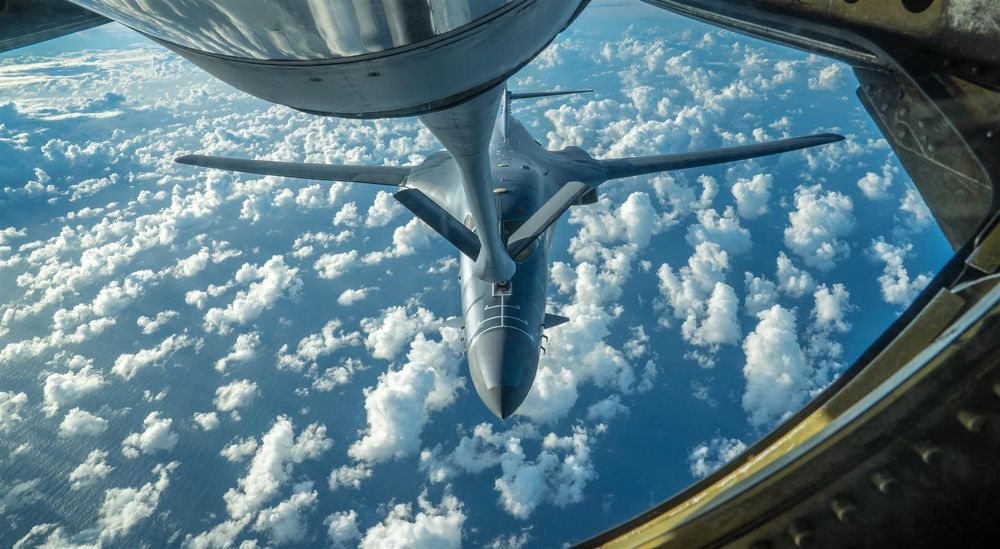
Pacific Air Forces commander General Terence J. O’Shaughnessy said, “North Korea remains the most urgent threat to regional stability. Diplomacy remains the lead. However, we have a responsibility to our allies and our nation to showcase our unwavering commitment while planning for the worst-case scenario.”