Studying the Ivory Haul of the Born Jesus
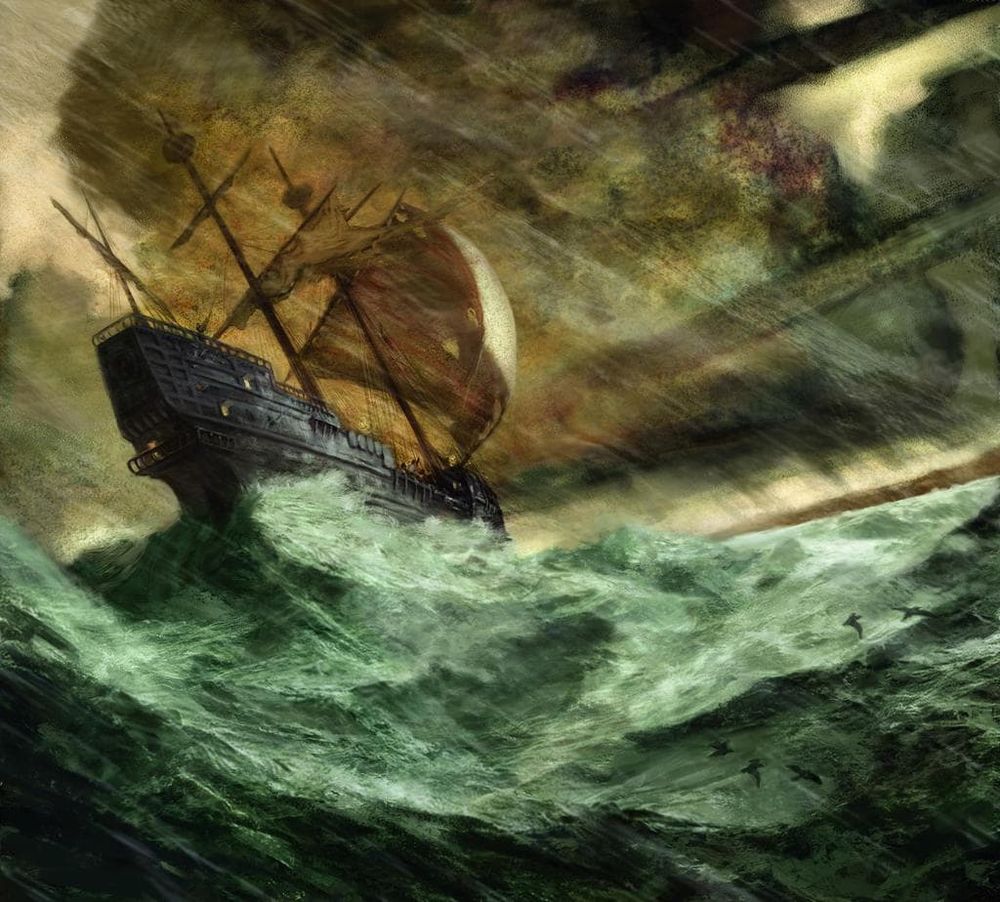
The sunken trading ship was on its way to India in 1533 when it went missing. Upon its discovery nearly 500 years later, archeologists and biologists alike were amazed to find that the ivory haul the ship was carrying was preserved in excellent condition. Genetic and chemical analyses were conducted to trace the tusks to seventeen herds that used to roam West Africa. Two of those herds still exist.
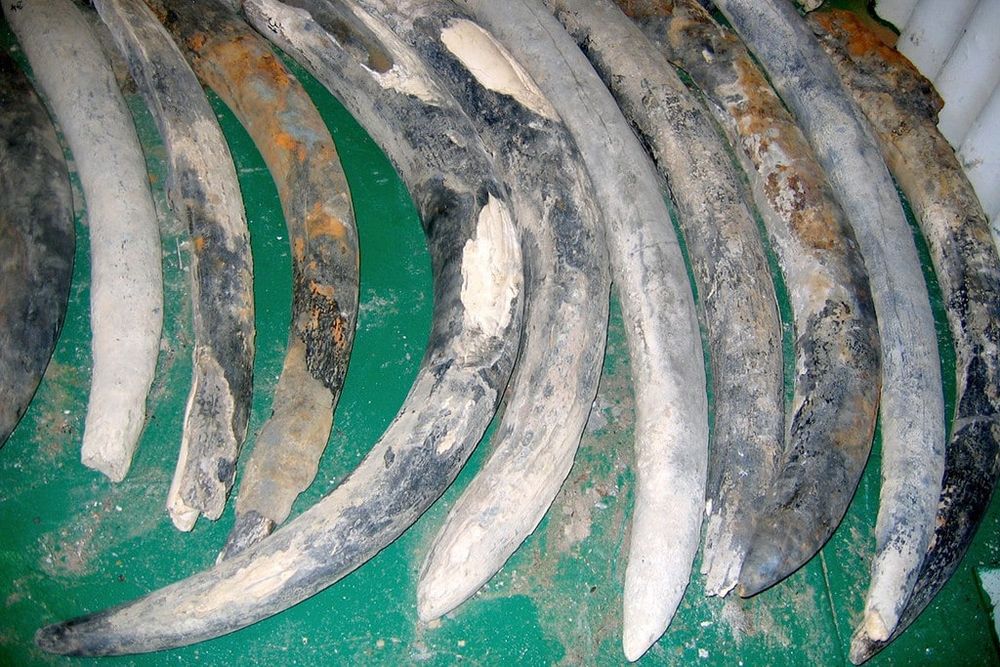
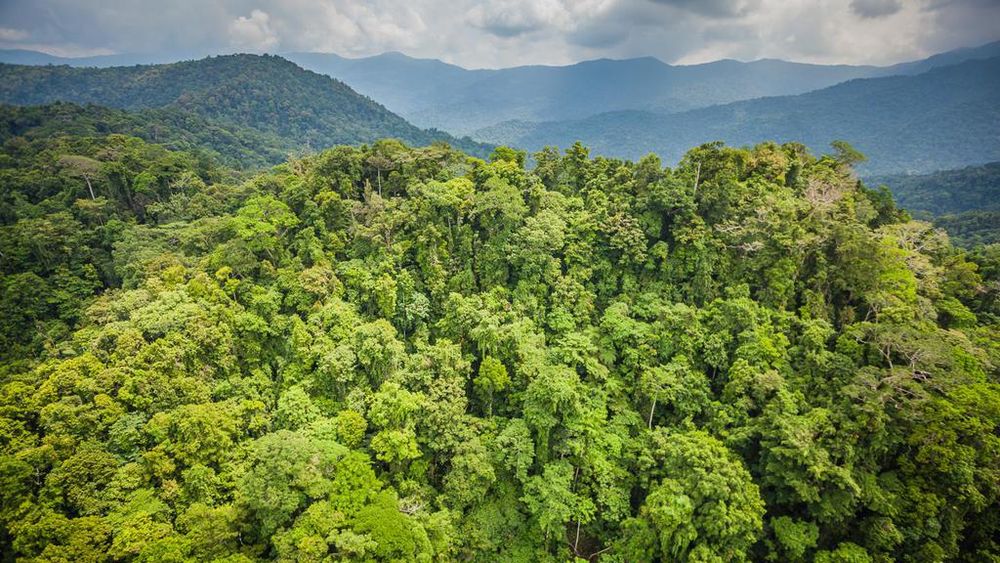
By researching the carbon and nitrogen isotopes present in the tusks, researchers could closely determine the type of vegetation and water these animals consumed throughout their lifetimes. The isotopes found in these tusks suggest that the elephants they belonged to used to roam the forests and savannas of West Africa. This surprised the researchers because it was believed that the African forest elephant didn’t go into the grasslands until the 20th century.
The Historical Significance of the Discovery
The fact that the tusks found on the Born Jesus trading ship originated from several different herds suggests that numerous communities in West Africa took part in supplying the ivory. This paints a clearer picture of how widespread ivory trading in the continent was during the 16th century.